

Two Talavera tile tables with a few 3D printed scale models for stuffed animal toys.
Many of my friends know that I’ve taken on a new role as head of Design at my school. While I still plan to post plenty of art-related projects, I’m going to post design projects here too…and I just plan to connect them all under the broad framework of things that look good!
This is one of my projects from the first semester. As usual, I try to find ways to get a little more Mexico into my teaching, and this very simple woodworking project, which uses butt joints, glue, and screws also uses Talavera tiles.
What’s been fascinating about teaching design from a pedagogical standpoint, are all of new ways to collaborate, particularly with STEM and STEAM. I immediately saw connections with Spanish class but also things like tessellations in Math. There were other connections to math and science too, like in running tests on the strength of the tables, which were surprisingly strong.
Within Mexico, Talavera is second in popularity only to things like tacos and tequila. But leave Mexico, and a lot of people are unfamiliar with this vibrant ceramic tradition. Originally from a Spanish city called Talavera de la Reina, the artisanal ceramics are mostly produced now around Mexico (especially Puebla and Michoacan). Bold, intricate, bright, and random, they pack a big punch, aesthetically speaking. For those of us working outside the western hemisphere, they offer a unique chance to explore and appreciate the vibrant colors of Latin America. Plus, moms were happy to see these things coming home with their kiddos!
I’m a little nervous about sharing this project because it is laughably simple for serious woodworkers (butt joints, glue, and screws). But as I always say in my talks on art and design: “Beautiful things work better” (Don Norman). I made versions of these tables with varying levels of complexity with my year 8 students as well as year 12s.
The measurements of the table would also change depending on the size and quantity of the tiles. I’ll include the unit outline (based loosely on the MYP design cycle), the PowerPoint screens with the steps, and some exemplar design journal entries by my students. Click on the images to zoom in and see them up close. I also taught isometric drawing in this unit as the students needed to create a technical drawing of their table, a production plan with bill of materials, a professional-looking photo, and a sales pitch as part of the unit.
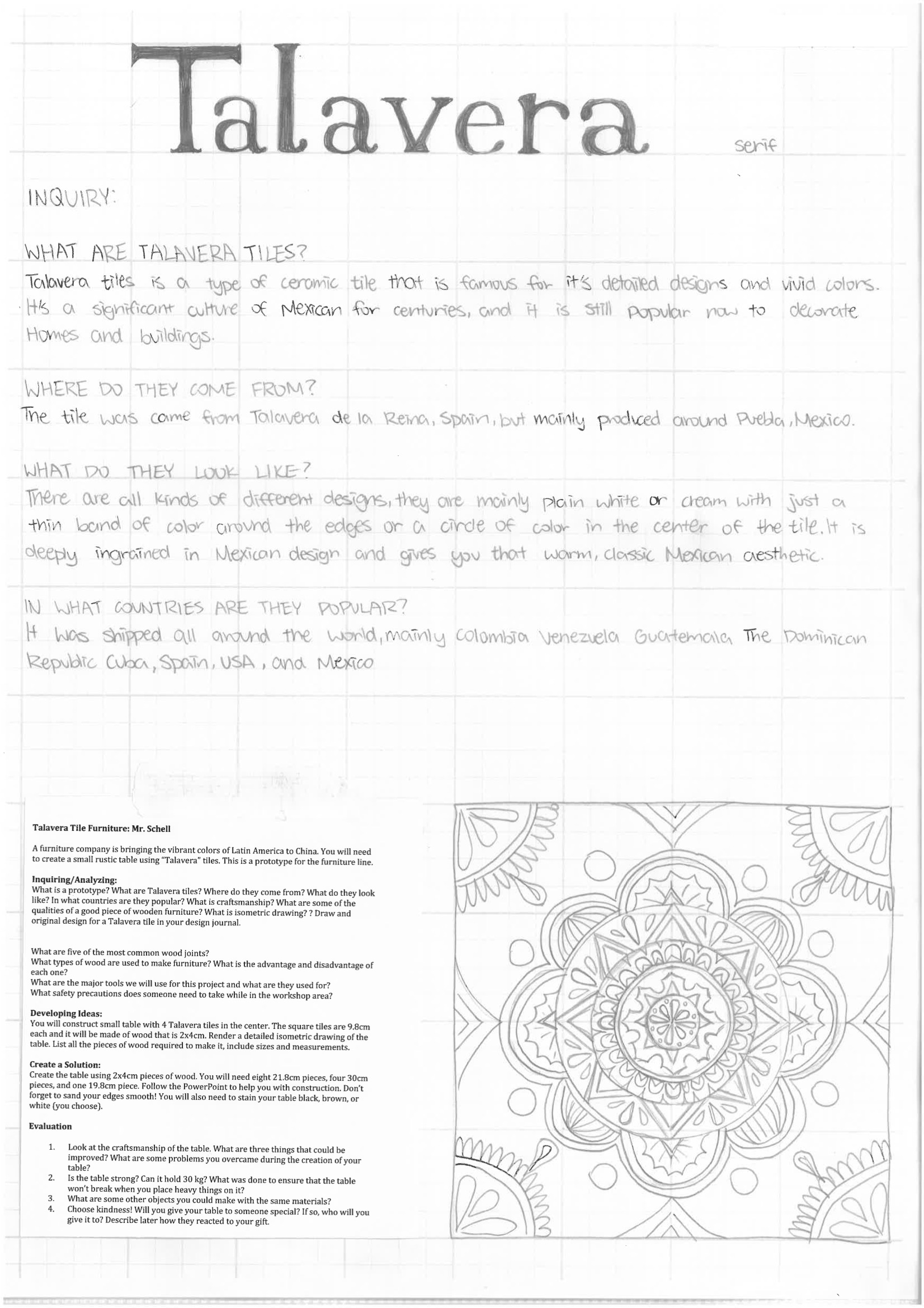
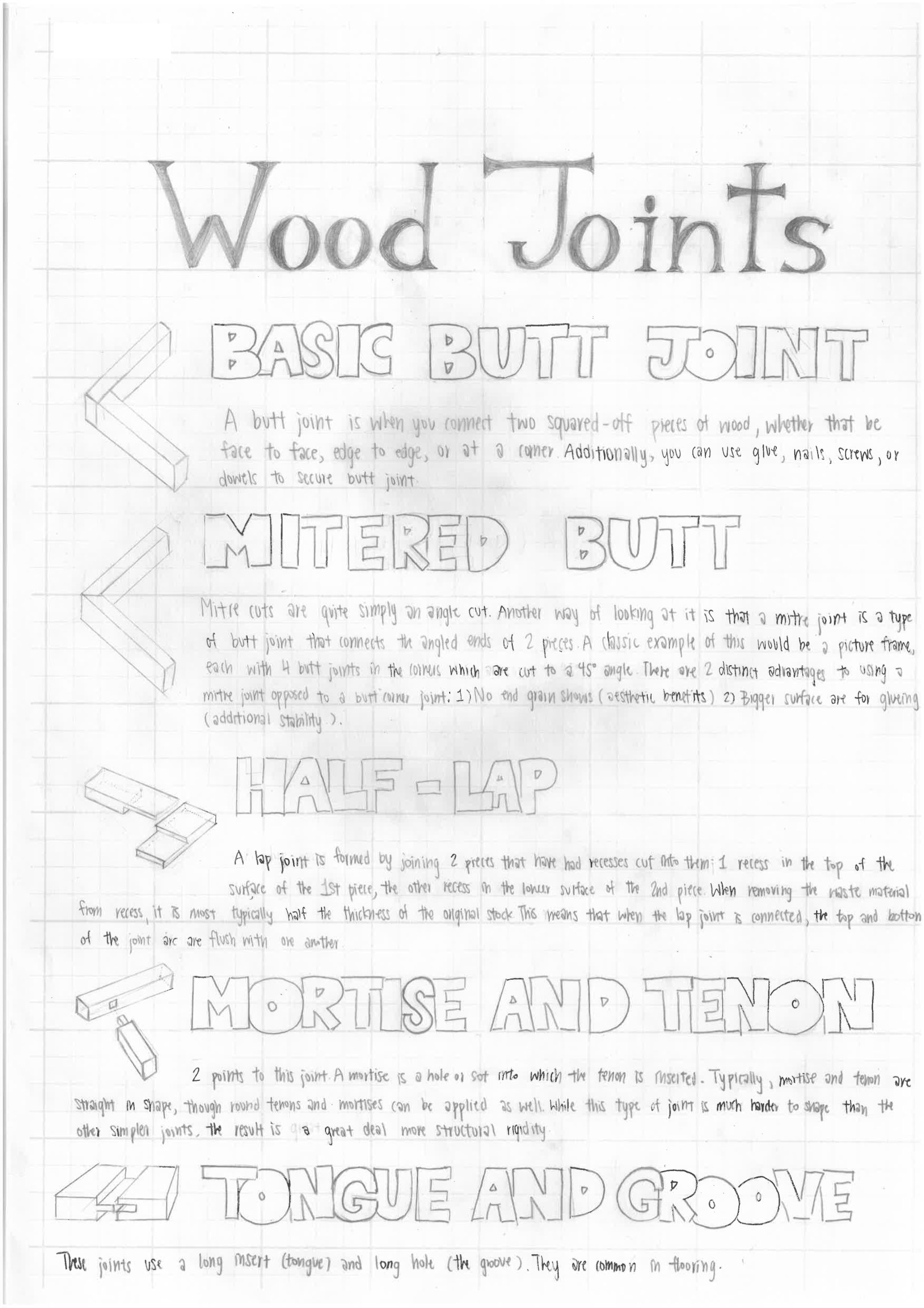
Design journal entries and unit outline
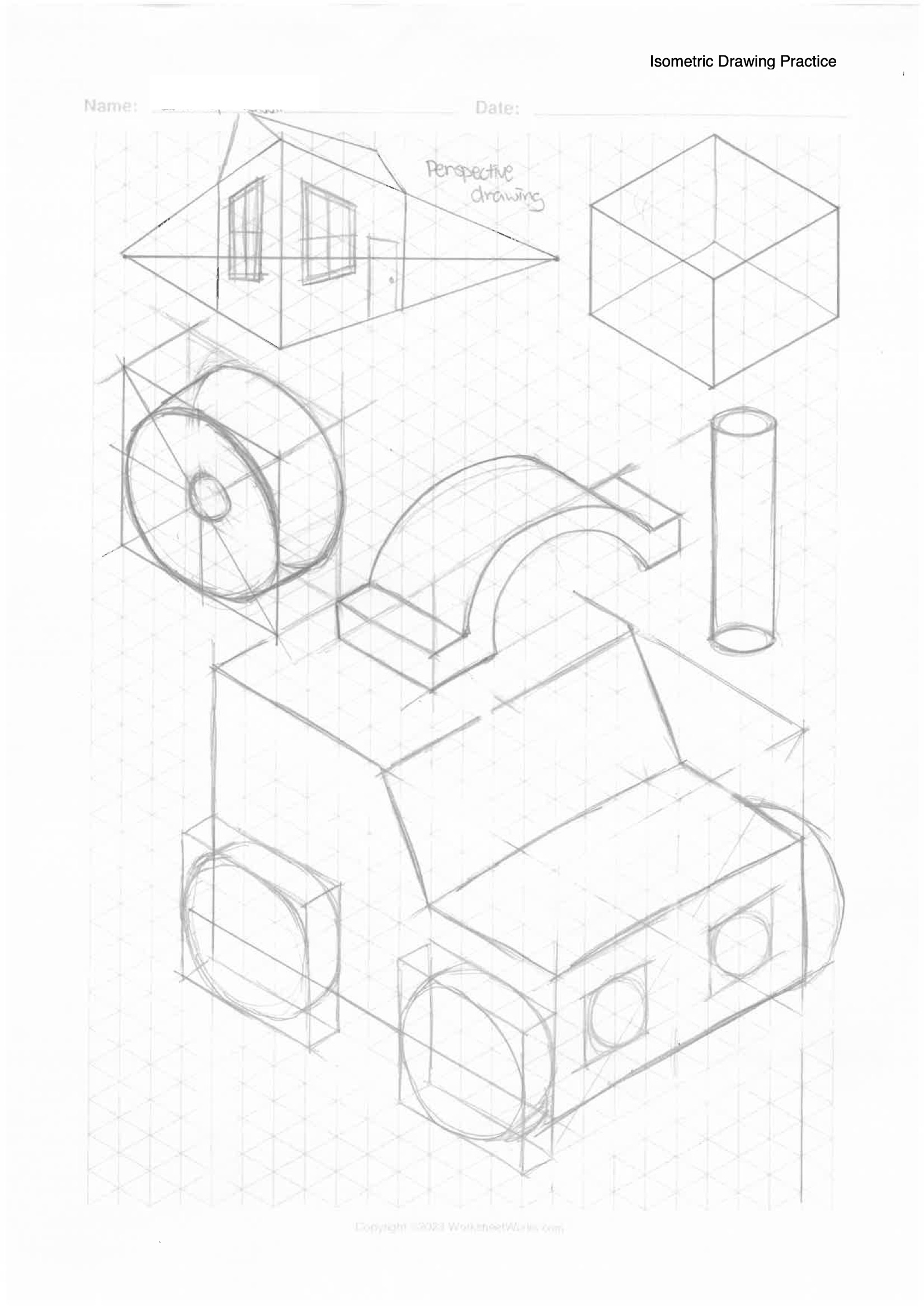

Isometric drawing practice
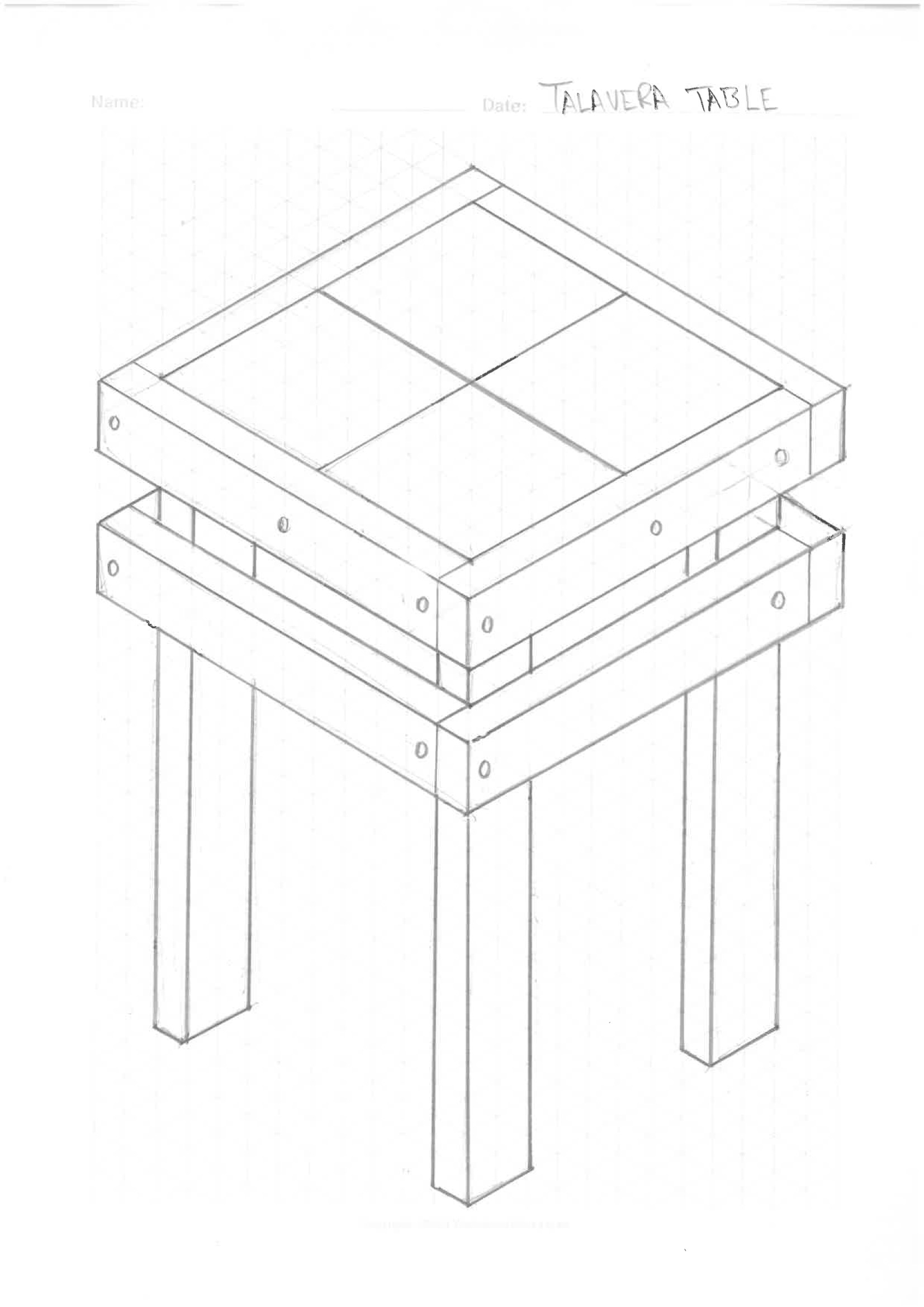
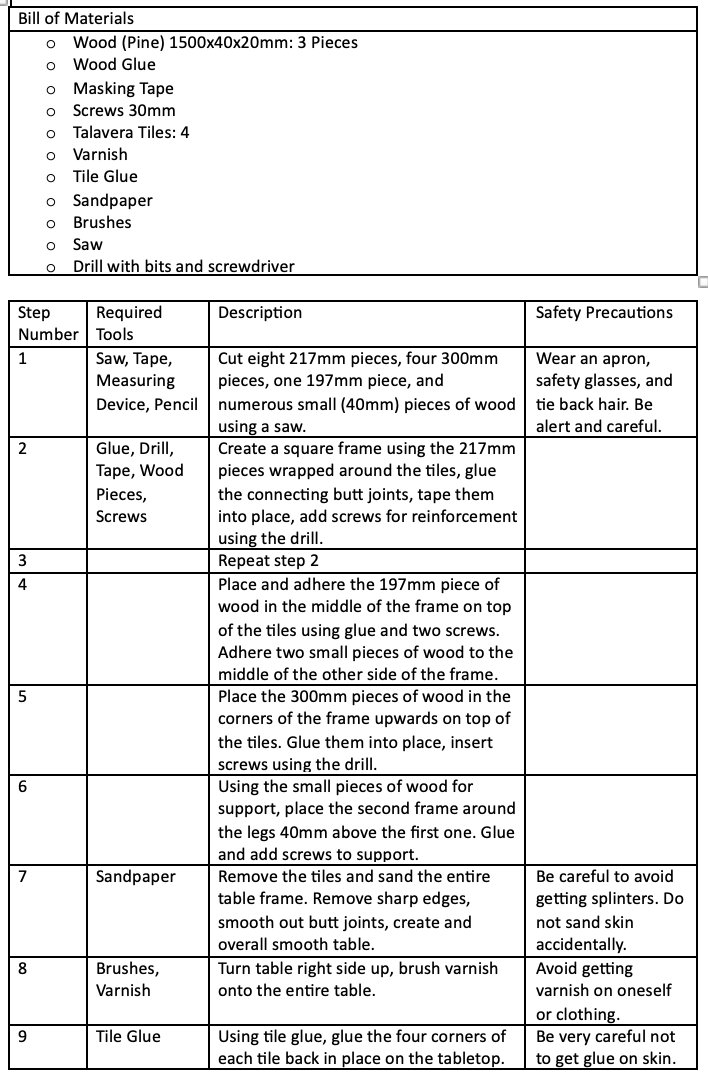
Table drawing and bill of materials/production plan
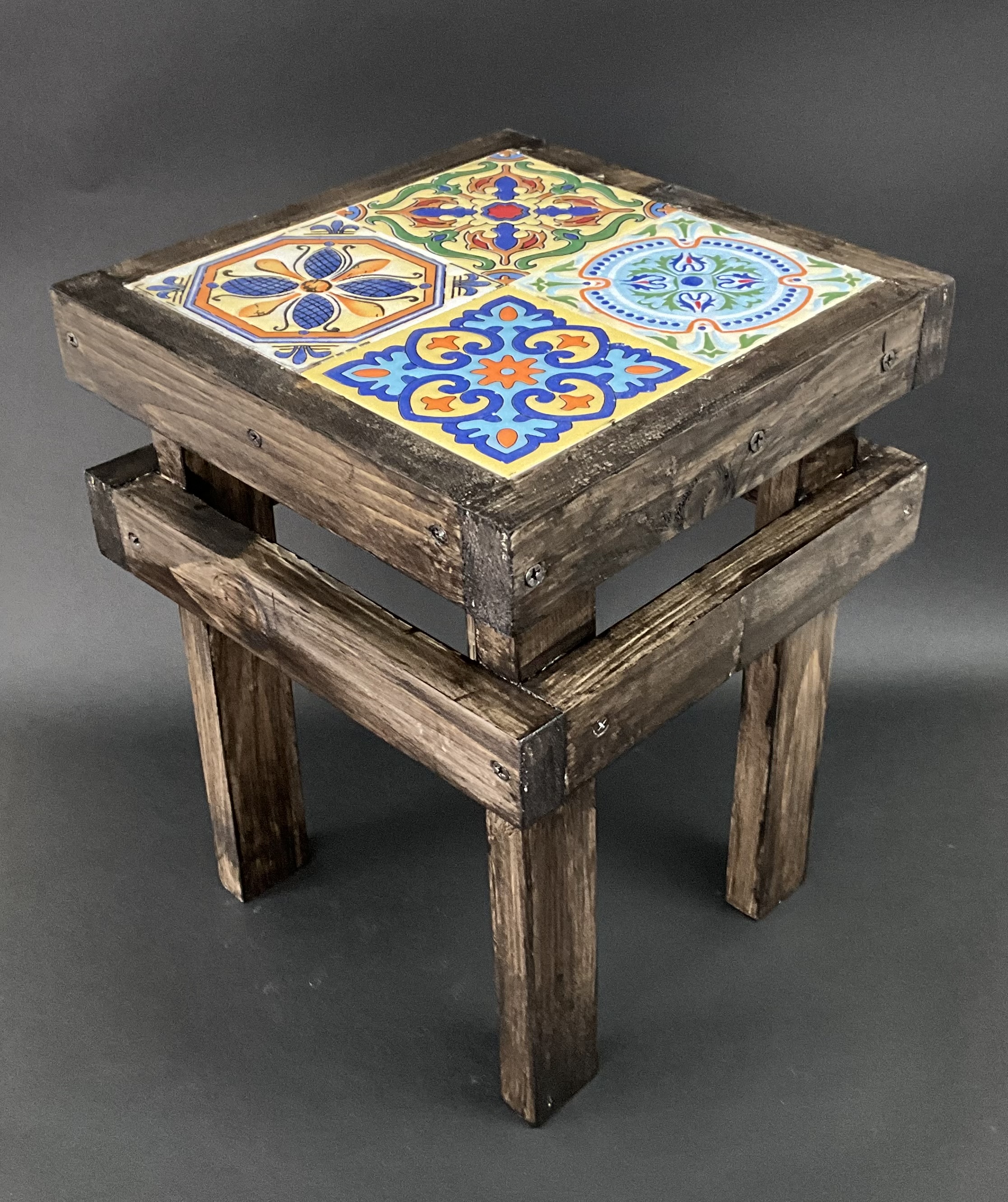
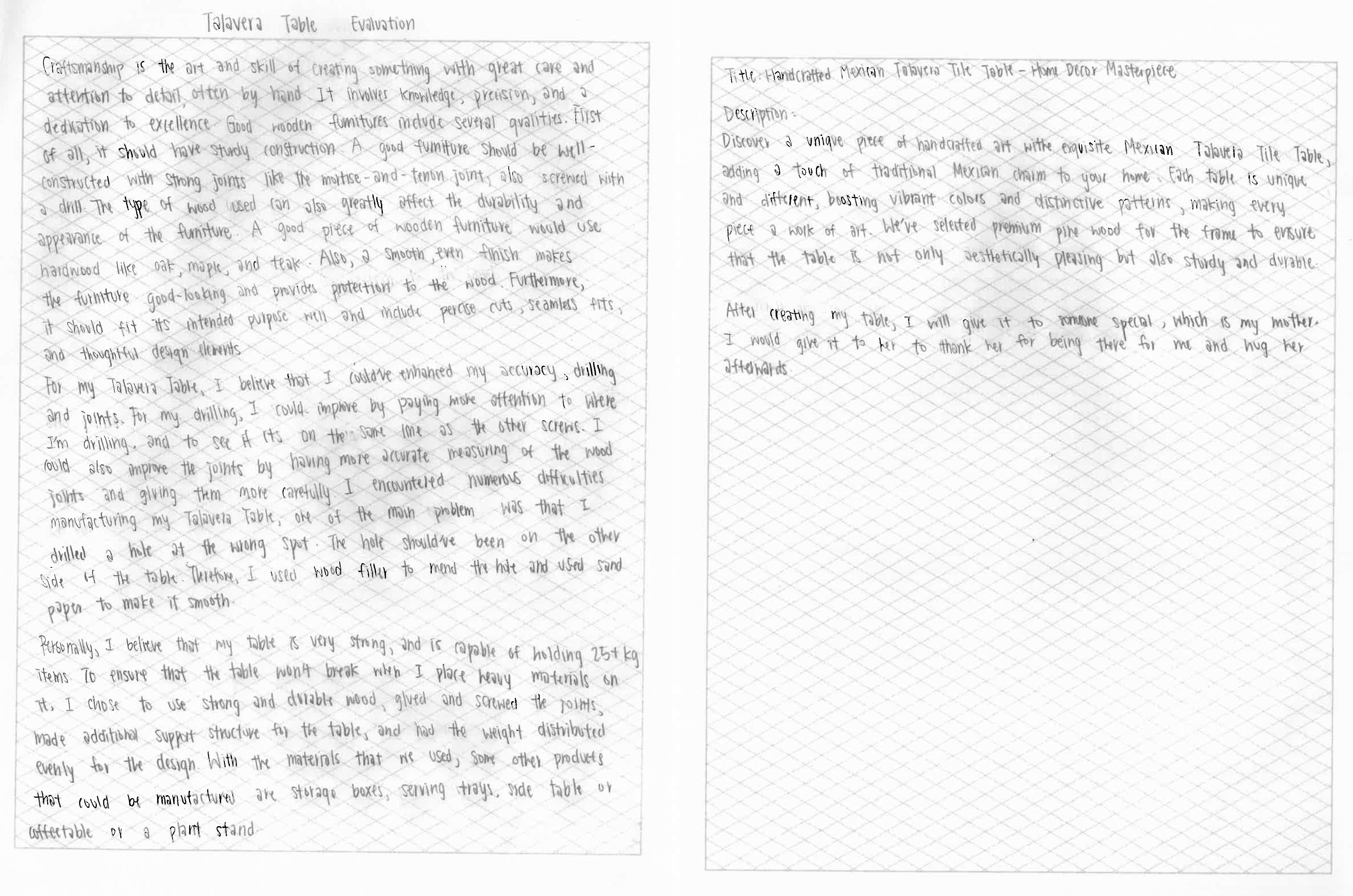
Product photo and evaluation with sales pitch near the end.


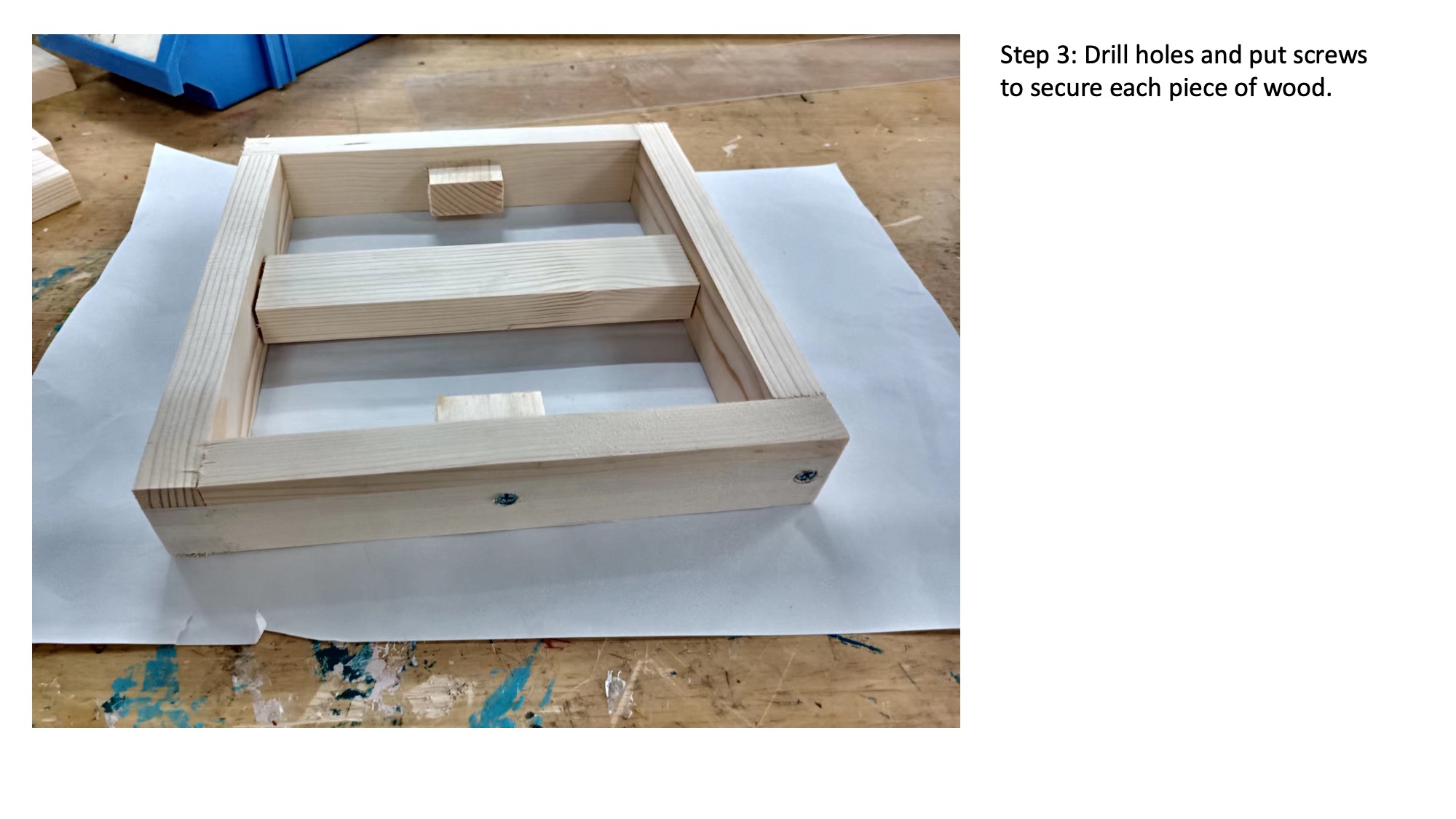


PowerPoint screens with a basic overview of construction.
 Draw, Paint, Think