
Tessellations get a bad rap sometimes and I’m not sure why. Maybe the repetition comes across as unartistic or too predictable? Perhaps art teachers don’t realize how easy they are to plan? Regardless, once you get going, sky’s the limit. There are so many wonderful things you can do with tessellations and pattern is one of the major art elements that often gets overlooked by teachers.
Tessellations are a great way to collaborate with math classes and sharpening hand-eye coordination. They’re also a cool activity if your art room isn’t very large or you’re doing online learning. The difficulty level can be adjusted for the age group you teach too. I base my tessellation unit on M.C. Escher (of course!) and focus on his art piece “Sky and Water”. It gives the unit some boundaries as students choose either a sea or sky animal to tessellate. I’ve done tessellations a few different ways over the years. Here’s an overview of the basics.
Cut a lot of 3x3in (7.6×7.6cm) squares.
Look up a realistic photo online of a sea or sky animal for reference.
Tape 3 squares together, the animal’s head and tail should exit to top and bottom of the square (see the example photos) but not overlap each other when tessellated.
Cut out the top and bottom paper squares so that you only have the head and tail. The body should remain in the middle square.
Trace them creating a 4 or 6 tile tessellation.
Draw the body of the animal, it can be different in each tessellation but should be relatively similar. You could also cut out the animal completely after you make the tessellations for a full outline, but I prefer including some freehand drawing.
After that, it’s up to you what to do. They could be colored, accented with illustration pens or painted on.
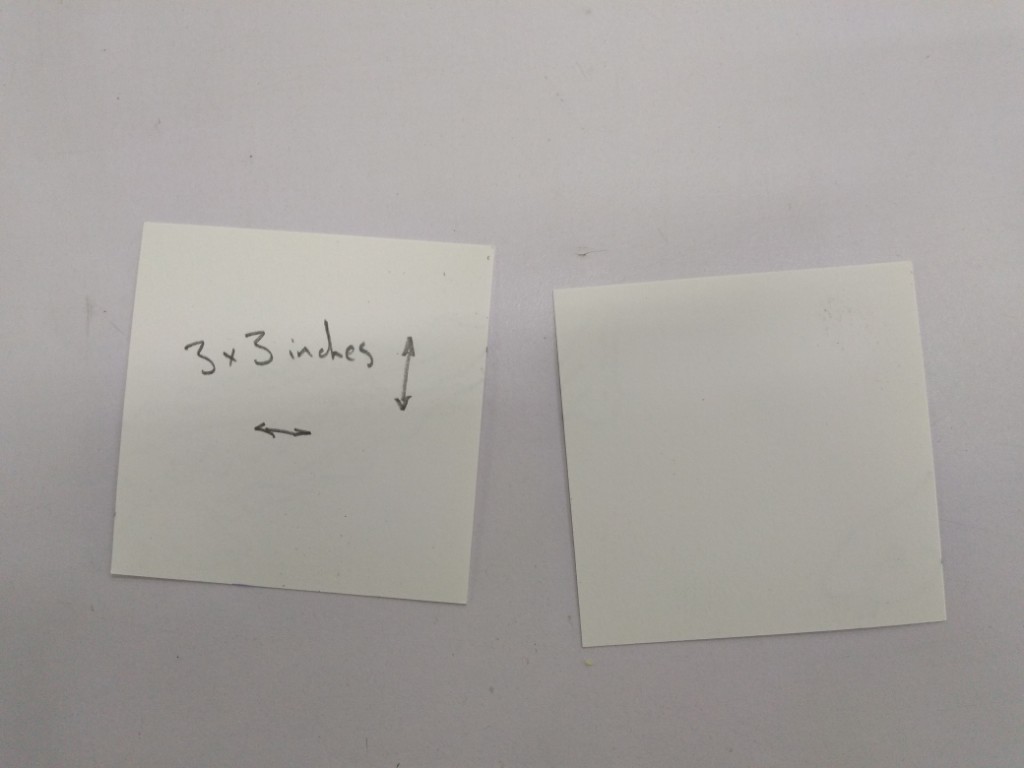
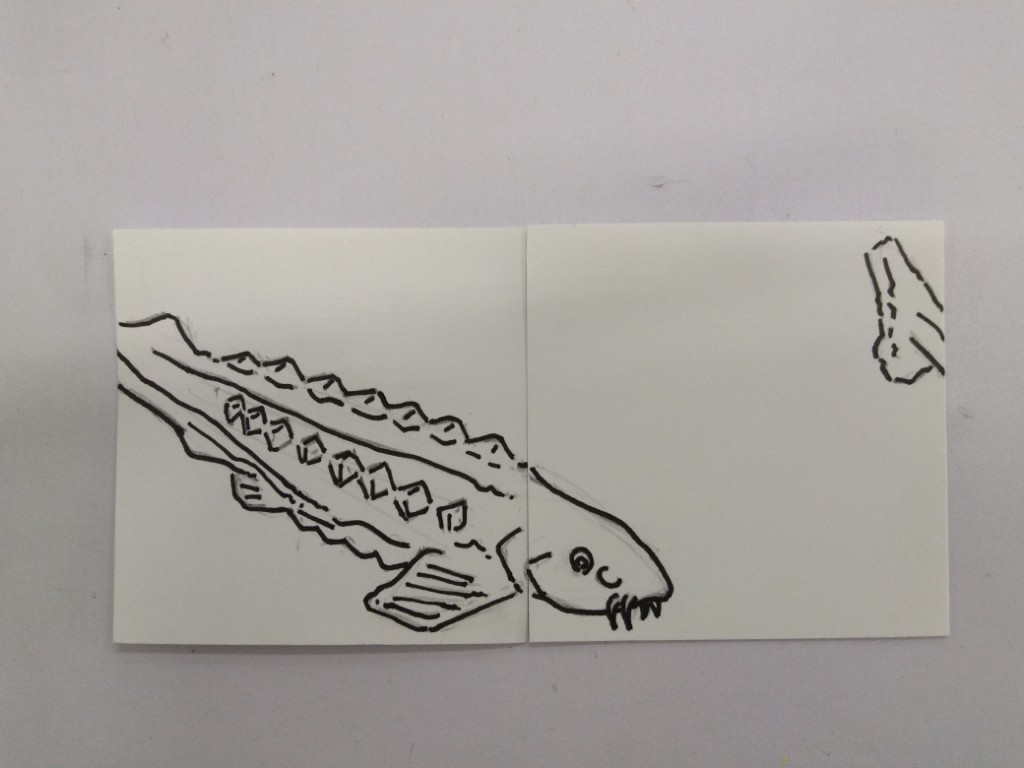
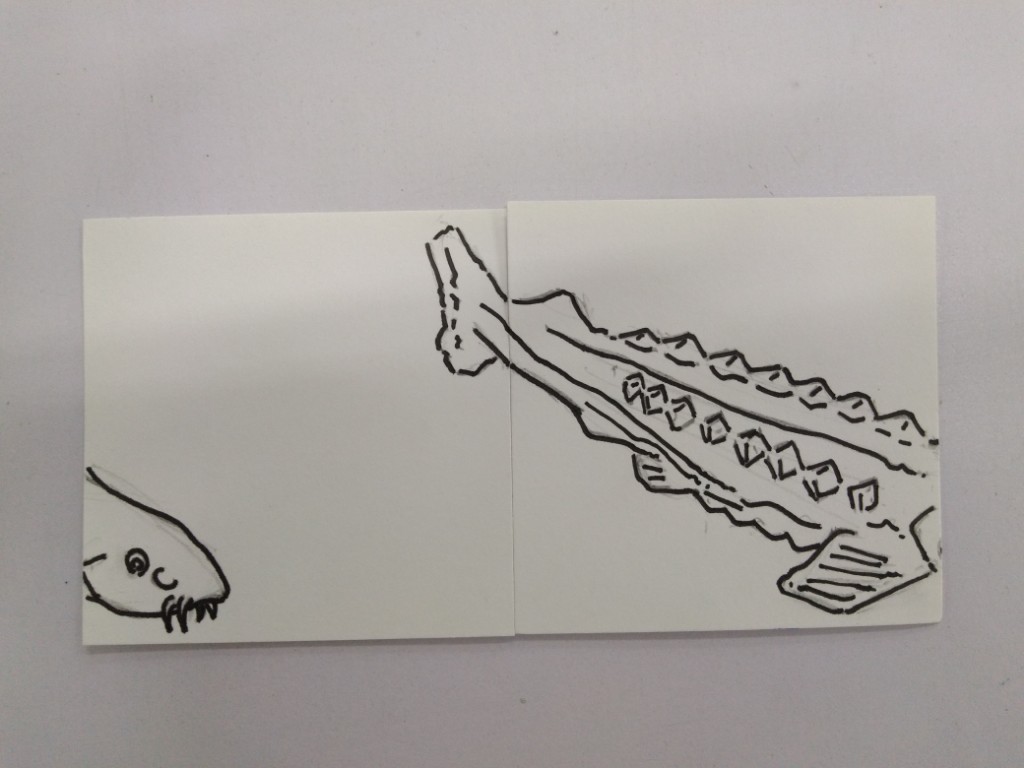
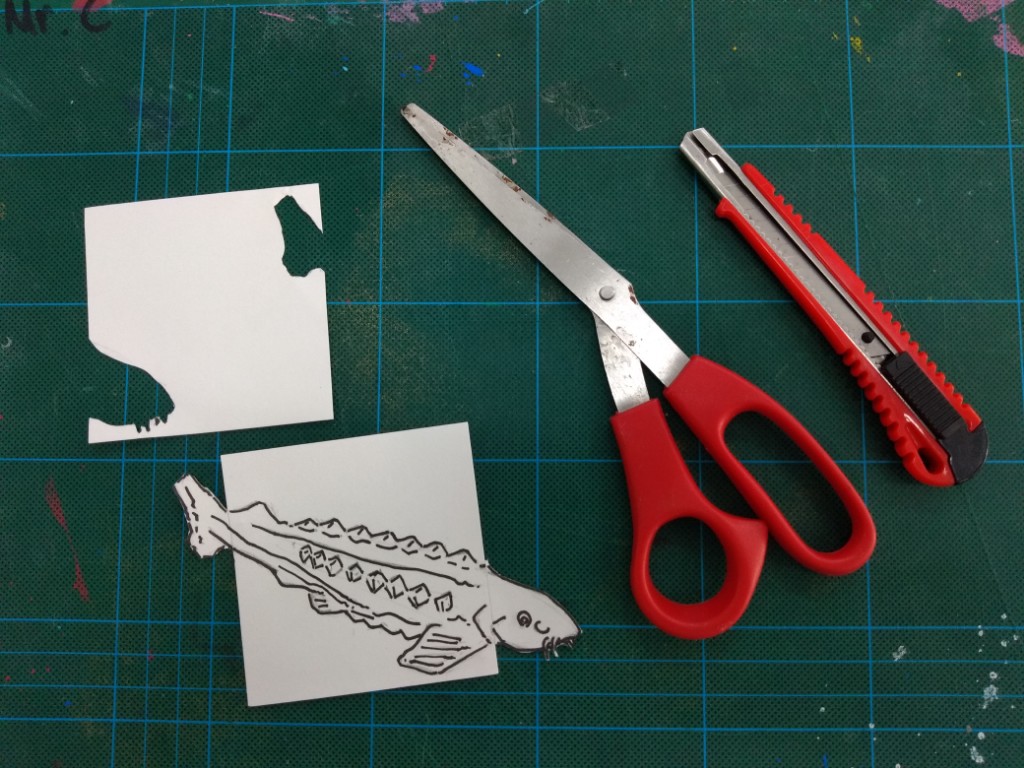
Getting started with a sturgeon fish tessellation.
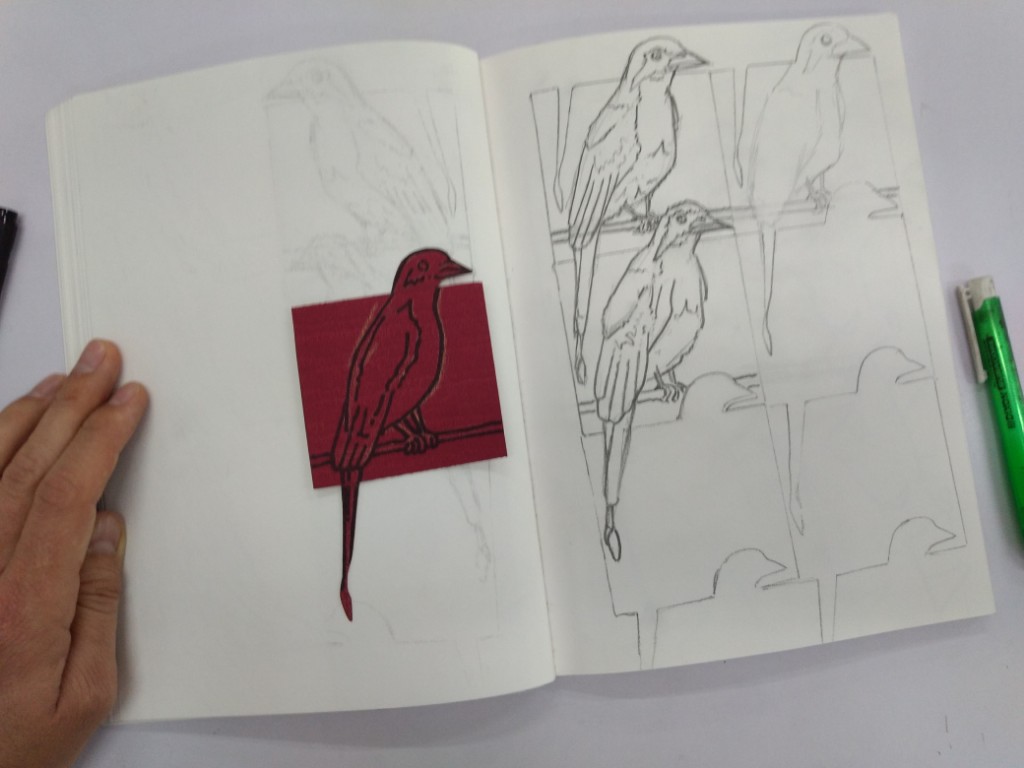
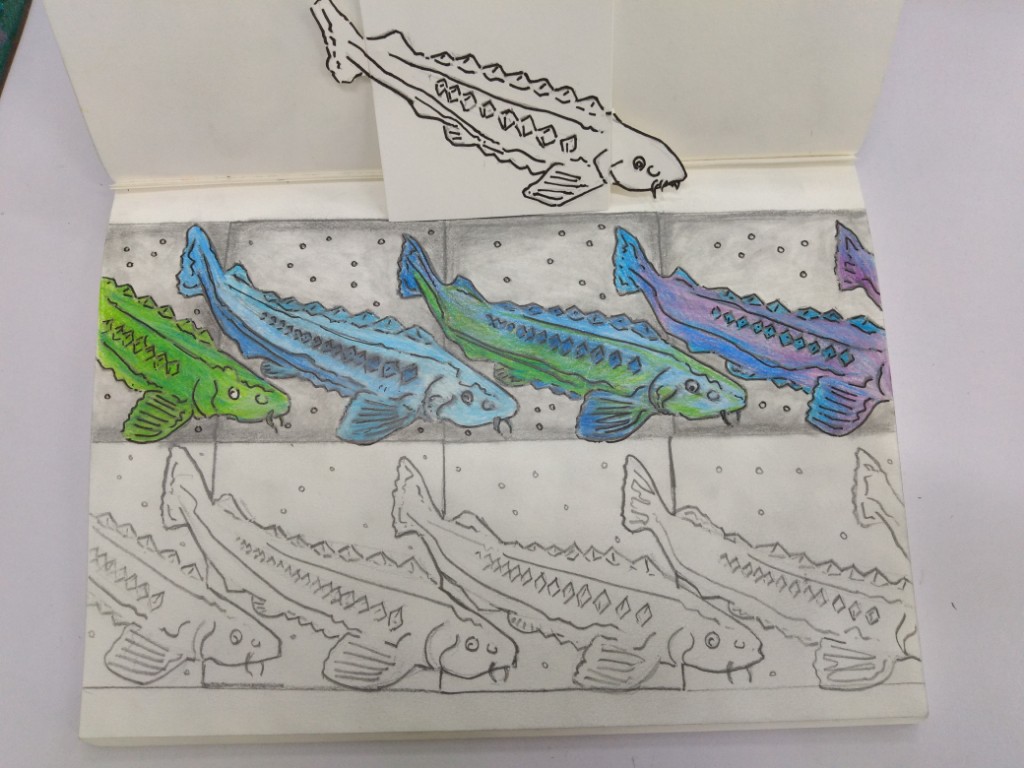
A bird example and the continuation of the sturgeon tessellation.
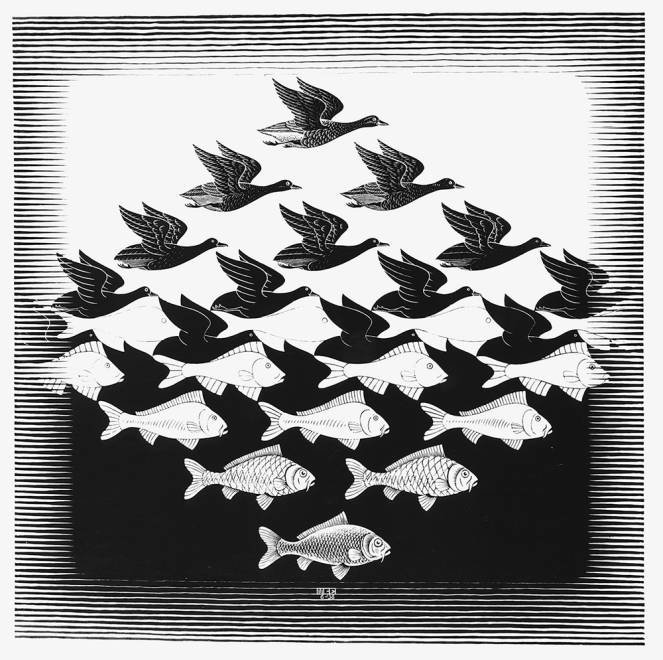
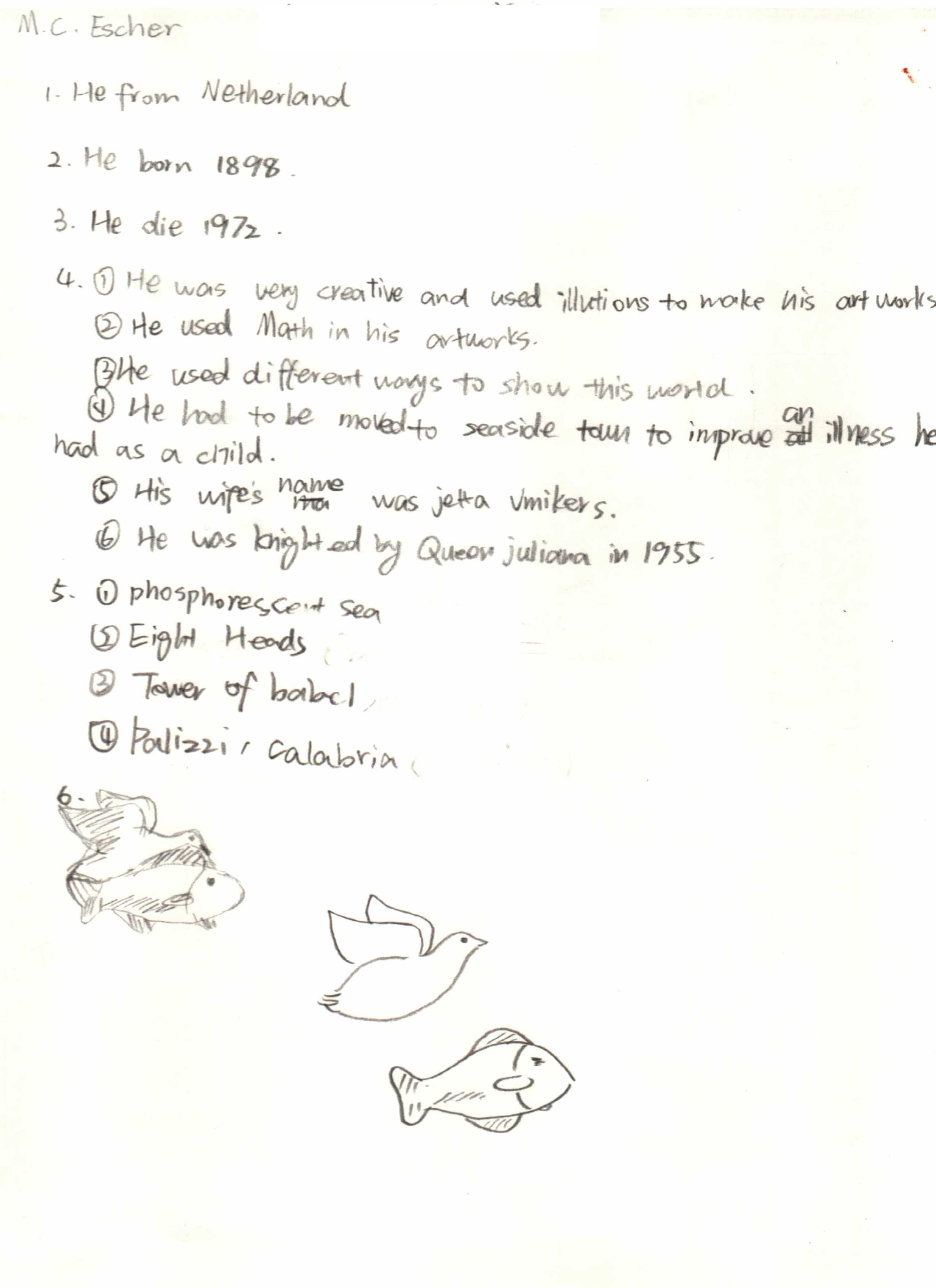
MC Escher: Sky and Water, 1938 and an investigation sheet from a year 8 student.
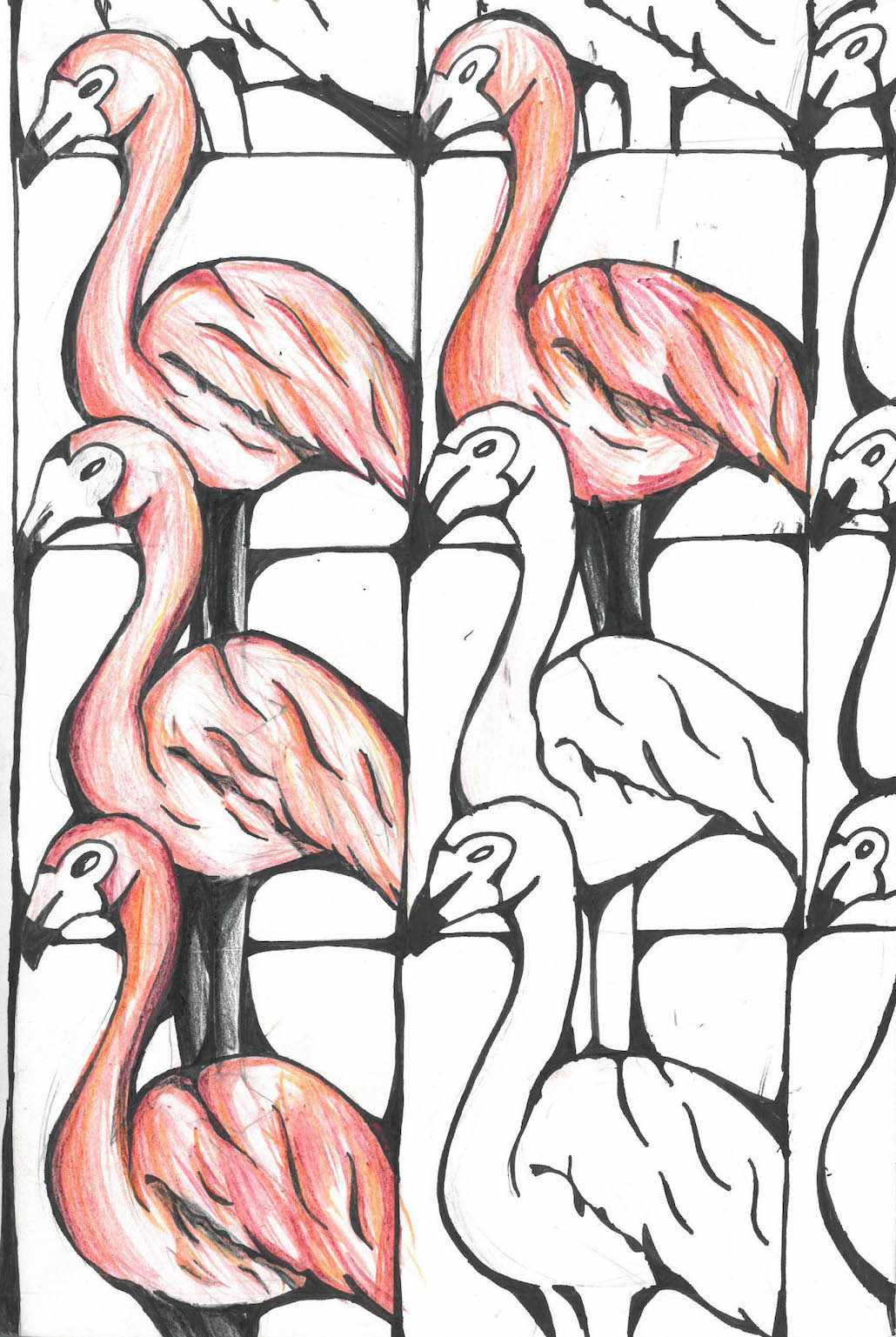
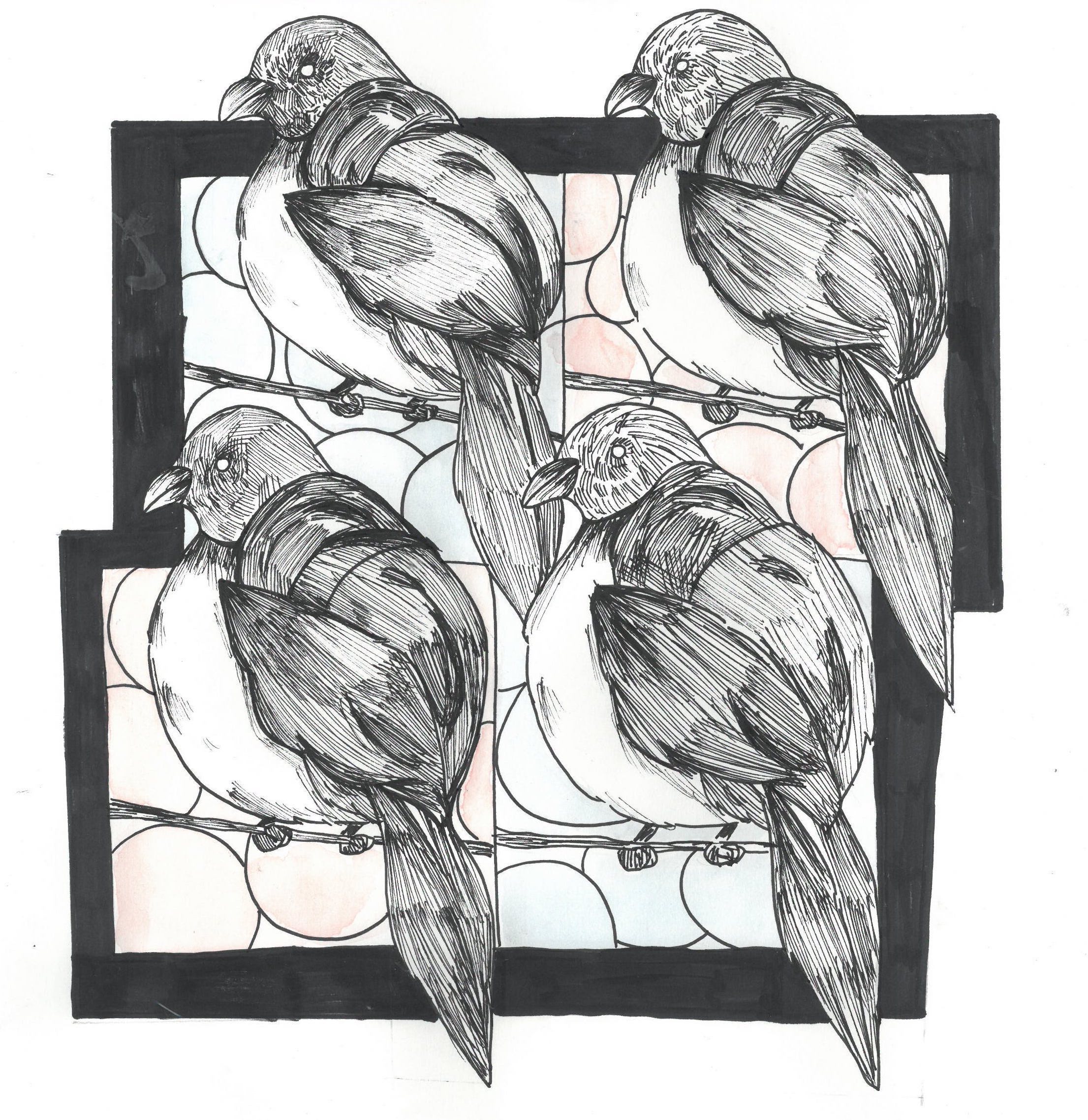
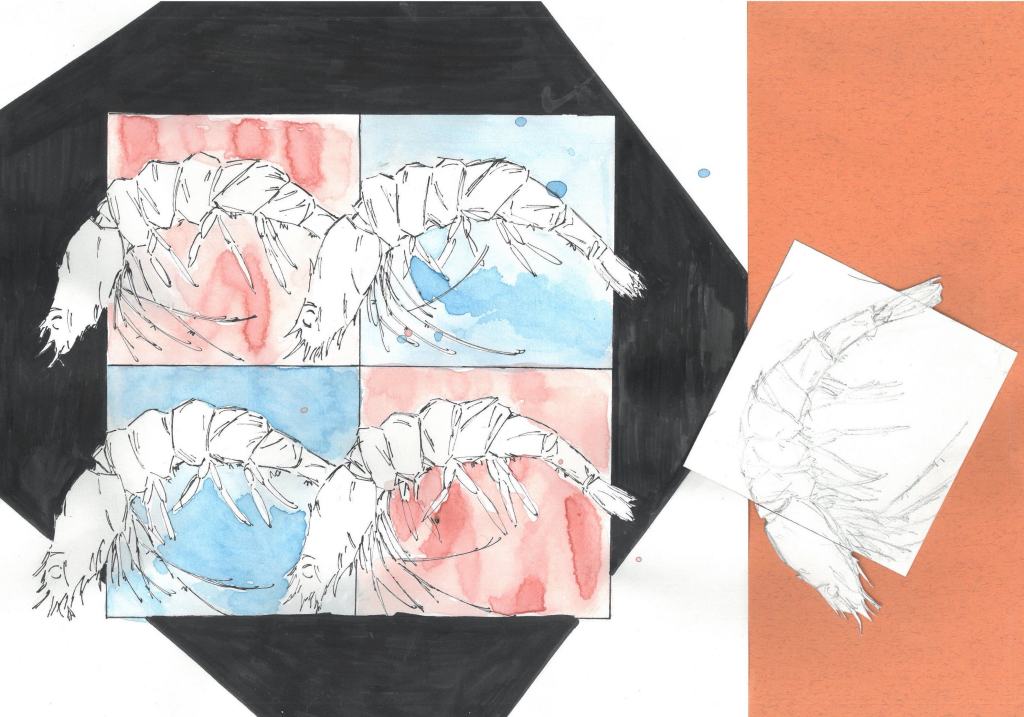
Three student examples from different years. One with colored pencil, the other two with illustration pen and watercolor.
 Draw, Paint, Think